
Is Your Chimney Winter-Ready? Masonry Waterproofing, Flashing Repair & Inspection Secrets for Newark Homes
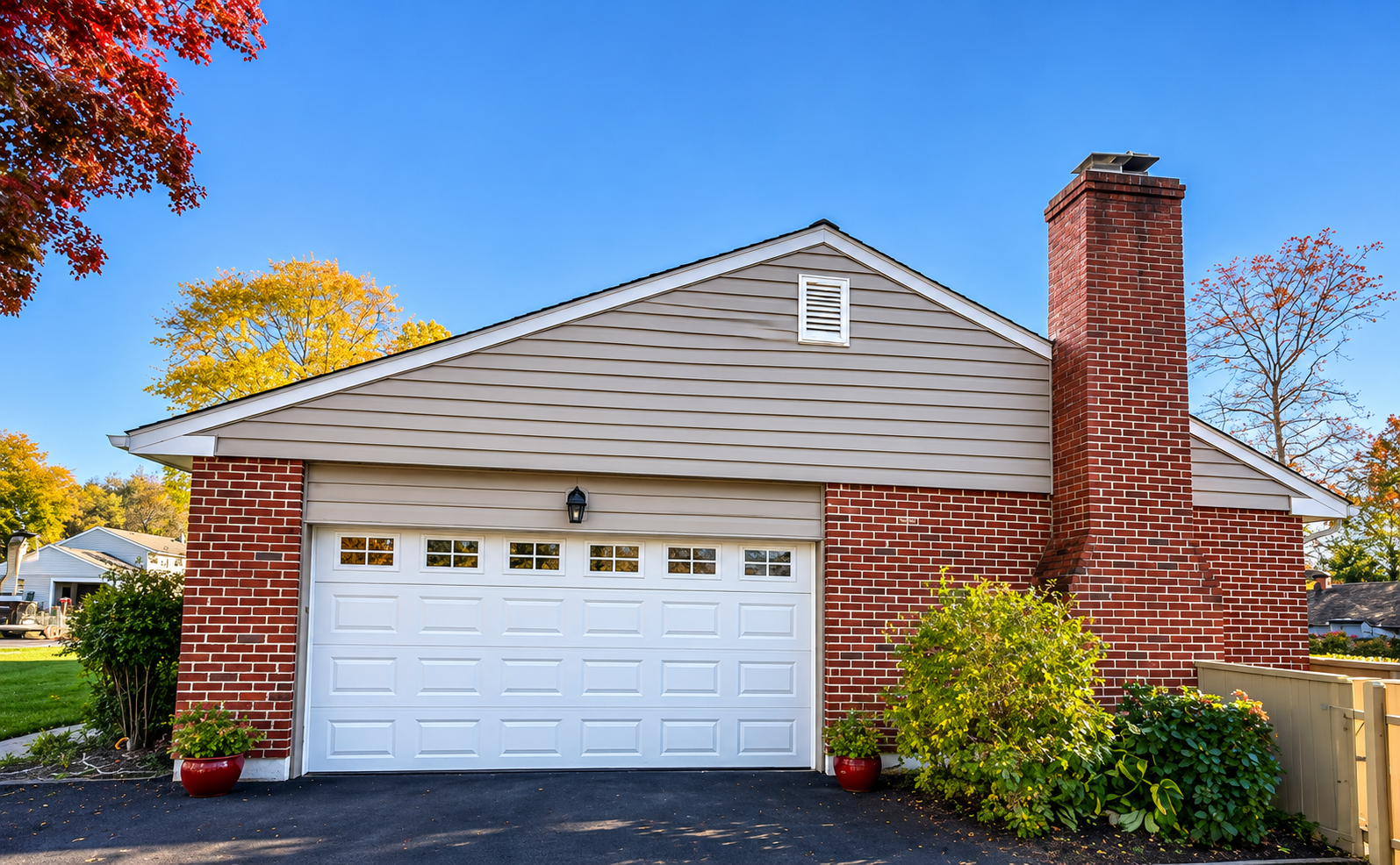
As temperatures begin to drop across New Castle County, many homeowners start relying more heavily on their fireplaces, wood stoves, and heating systems. Before the first cold stretch arrives, it’s worth taking a closer look at your chimney.
A chimney may look perfectly fine from the ground, but problems with deteriorating mortar, cracked bricks, damaged flashing, or moisture inside the masonry can go unnoticed for years. Winter weather can make these issues worse, particularly on older brick homes throughout Newark and the surrounding communities.
At Paddy’s, we help homeowners protect and maintain their chimneys through inspection, cleaning, repair, and other exterior services. Getting your chimney ready for winter involves more than making sure smoke can escape. It means checking the entire structure for signs of wear, water intrusion, and potential safety concerns.
Here’s what Newark homeowners should know before the heating season gets underway.
Why Winter Is Hard on Brick Chimneys
Brick is a durable building material, but it isn’t completely waterproof. Mortar joints, small cracks, and the porous surface of masonry can absorb moisture over time.
When temperatures drop below freezing, water trapped inside brick and mortar can freeze and expand. As this process repeats, it can contribute to cracking, flaking, and deterioration. This is commonly known as freeze-thaw damage.
Older homes in Newark can be particularly vulnerable if their chimneys have not received regular maintenance. Years of exposure to rain, snow, and temperature changes can gradually weaken mortar joints and chimney components. These problems should not be ignored. What begins as minor masonry deterioration can eventually allow more moisture into the structure, increasing the likelihood of expensive repairs.
You may notice some early warning signs, including:
- Crumbling or missing mortar between bricks
- Cracked, chipped, or flaking bricks
- White powdery deposits on the masonry, known as efflorescence
- Water stains around the fireplace or chimney
- Pieces of brick or mortar collecting near the base of the chimney
Masonry Waterproofing: Does Your Chimney Need It?
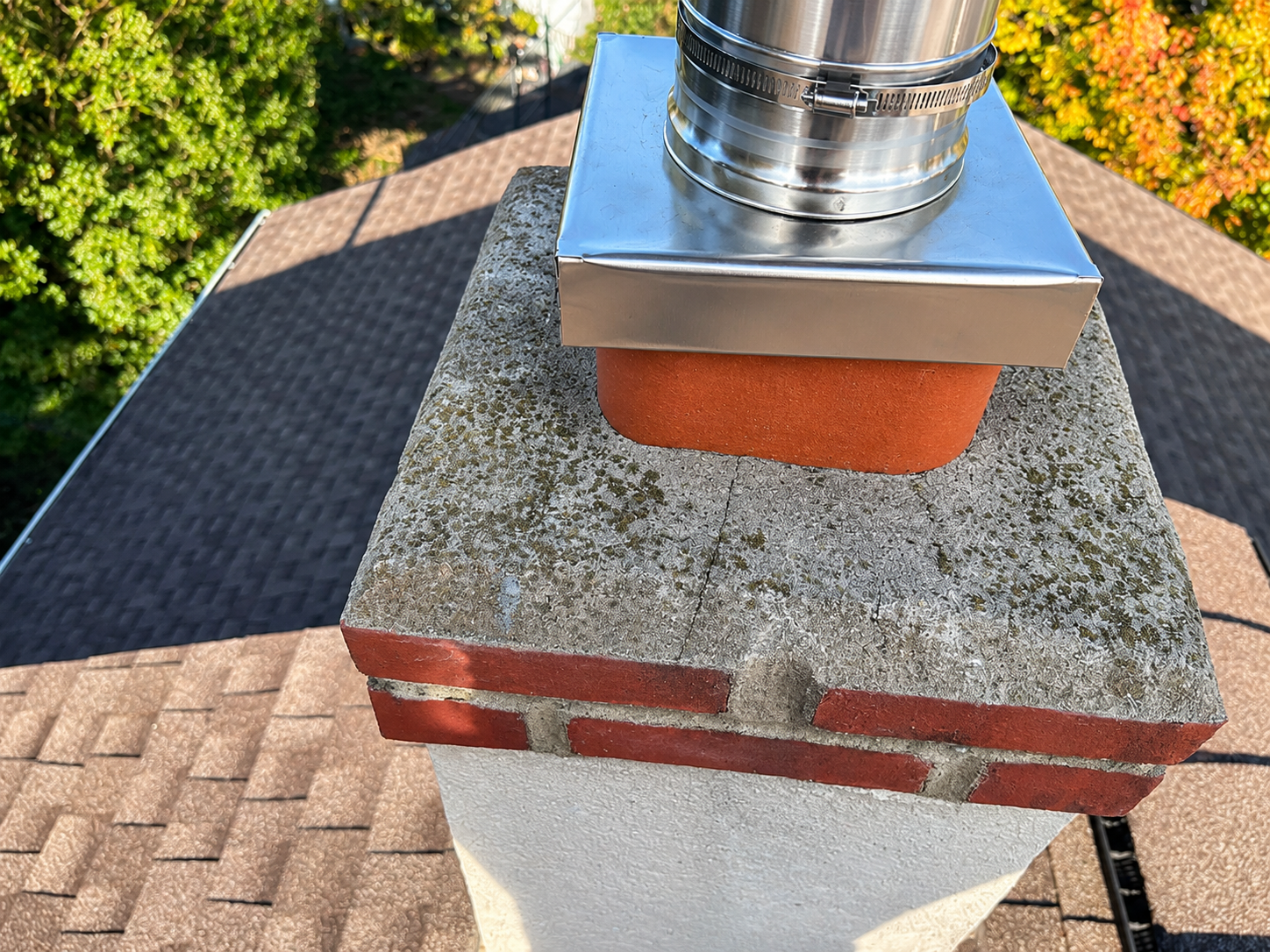
One of the most common questions homeowners ask is whether they should waterproof their brick chimney.
In some cases, applying a masonry water repellent can help reduce the amount of rainwater absorbed by the exterior brickwork. These products are designed to make masonry more resistant to liquid water while allowing water vapor to escape.
However, not every chimney needs waterproofing, and applying the wrong product can create additional problems. For most exposed brick masonry, breathable water repellents based on silane or siloxane are generally preferred over film-forming coatings. Breathable products allow moisture vapor to escape rather than trapping it behind a surface coating.
The Brick Industry Association specifically cautions against treating water repellents as a substitute for proper flashing, weeps, and other construction details that manage moisture. Existing problems should be identified and corrected before a water repellent is applied.
Before recommending masonry waterproofing, we look at the condition of the brick, mortar, crown, and surrounding components. If water is entering through damaged flashing or open mortar joints, those problems need attention first. For older Newark homes, this is especially important. The goal is to protect the existing masonry without interfering with its ability to release moisture naturally.
Protect Your Chimney Before Winter
Get a Professional Chimney Estimate at No Cost
Chimney Flashing Repair: A Common Source of Roof Leaks
If you have noticed water stains on a ceiling near your fireplace or chimney, the problem may not be coming from the chimney itself. It could be damaged or improperly installed flashing where the chimney meets the roof.
Chimney flashing is the metal system that creates a weather-resistant transition between the roof and the masonry structure. It typically includes several components:
- Step flashing: Installed along the sides of the chimney where it meets the roof.
- Counterflashing: Secured into the masonry and positioned to overlap the step flashing.
- Base flashing: Helps direct water away from the chimney and roof intersection.
- Cricket or saddle: A small sloped structure installed behind wider chimneys to divert water around the uphill side.
When these components are properly installed, they work together to direct rainwater away from vulnerable joints and prevent it from entering the roof assembly. Over time, flashing can corrode, separate, loosen, or develop gaps. Old sealant can also deteriorate, leaving openings where water can penetrate.
A leaking chimney flashing system can cause damage to roof decking, insulation, ceilings, and nearby framing. In some cases, homeowners mistake these leaks for a roofing problem when the actual source is the chimney-to-roof connection.
If you notice water stains near your chimney, peeling paint, damp attic materials, or visible gaps around the flashing, have the area inspected before winter weather makes the problem worse.
Don’t Overlook the Chimney Crown and Cap
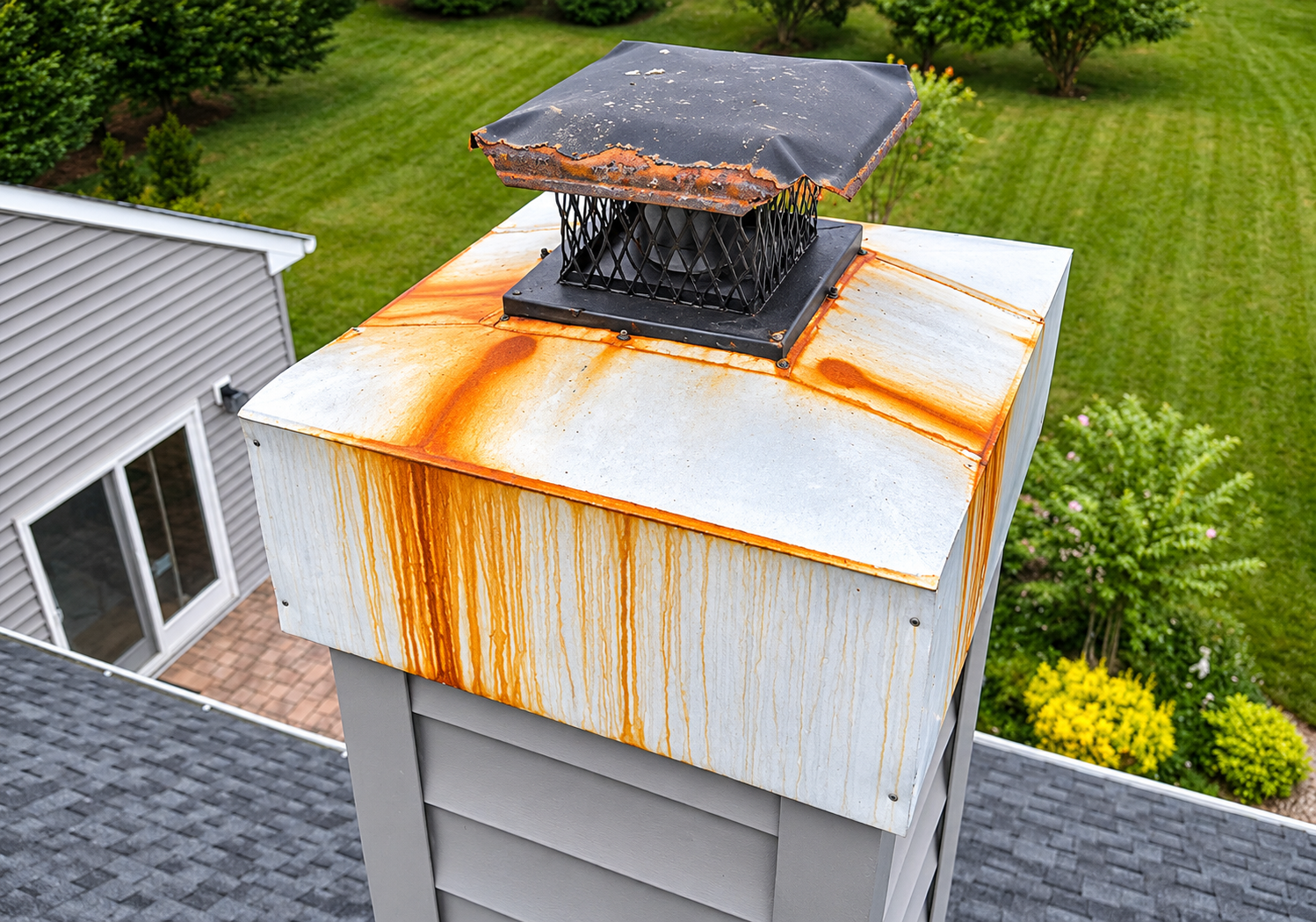
The chimney crown and chimney cap are two relatively small components that play an important role in protecting the entire structure. The chimney crown is the concrete or masonry surface at the top of the chimney. It is designed to shed water away from the brickwork and protect the area around the flue opening.
If the crown develops cracks or begins to deteriorate, water can enter the chimney from above. During freezing weather, that moisture can contribute to additional cracking and masonry damage.
The chimney cap sits over the flue opening and helps keep rain, snow, leaves, and animals out of the chimney. A properly fitted cap can also help reduce the risk of sparks escaping onto the roof.
During a chimney inspection, these components should be checked for visible damage, deterioration, and obstructions. A damaged crown may need repair or replacement, while a missing, loose, or deteriorated cap may need attention before the heating season.
Chimney Inspections: What Should Be Checked Before Winter?
A professional chimney inspection looks at more than just the visible brickwork. The Chimney Safety Institute of America (CSIA) and National Fire Protection Association guidance call for chimneys, fireplaces, and vents to be inspected at least once a year. Cleaning, maintenance, and repairs should be completed when needed.
A typical inspection may include evaluating:
The exterior masonry: The inspector looks for cracked bricks, deteriorating mortar, loose sections, and signs of water penetration.
The chimney crown and cap: These components are checked for cracks, deterioration, damage, and blockages.
The roof flashing: The connection between the chimney and roof is examined for gaps, corrosion, loose metal, and failed sealant.
The flue and liner: The interior passage is checked for obstructions, deposits, cracks, and other conditions that could affect safe operation.
The fireplace and damper: Visible components are examined for damage, buildup, and proper operation.
An inspection can also help identify creosote buildup, which is a combustible deposit created when wood burns. If enough creosote accumulates inside the flue, it can contribute to a chimney fire.
The amount of cleaning required depends on how often the fireplace is used, the type of fuel, and the condition of the chimney. Annual inspections help determine whether cleaning or additional repairs are necessary.
If you have changed heating appliances, altered the fuel type, or experienced a chimney fire or other significant event, a more detailed inspection may be appropriate.
Warning Signs That Your Chimney Needs Attention
Some chimney problems are easy to spot, while others develop gradually. Knowing what to look for can help you catch potential issues before winter.
Pay attention to these warning signs:
- White staining on brick: Efflorescence can indicate moisture moving through the masonry.
- Crumbling mortar: Deteriorating joints can allow additional water into the chimney.
- Loose or missing bricks: These may indicate more extensive masonry deterioration.
- Water inside the fireplace: Rain or snow may be entering through a damaged crown, cap, or other opening.
- Rust on the damper or firebox components: Moisture may be entering the chimney system.
- Strong odors: Unusual chimney odors can be associated with creosote, moisture, or debris buildup.
- Smoke entering the room: This can indicate a blockage, draft problem, or other venting issue that needs professional evaluation.
If you notice smoke entering your living space or suspect a carbon monoxide problem, stop using the appliance and seek appropriate professional assistance. Make sure your home has working carbon monoxide alarms.
Why Older Newark Homes Need Special Attention
Newark has a mix of older brick homes, established residential neighborhoods, and newer construction. Older properties can have chimney systems that have been exposed to decades of weather and repeated heating cycles.
One important consideration with older masonry is the type of mortar used for repairs. Older brick structures may have softer, more breathable mortar than modern masonry construction. Using an incompatible, overly hard mortar during repointing can place additional stress on the surrounding brick and contribute to deterioration.
That is why chimney repairs should be based on the existing materials and condition of the structure, not simply on choosing the strongest mortar available. Homeowners in historic parts of Newark and throughout New Castle County should also be mindful of preserving the appearance and character of older brickwork when repairs are needed.
A proper evaluation helps determine whether the chimney needs localized mortar repairs, more extensive masonry work, flashing replacement, waterproofing, or another solution.
Get Your Chimney Ready Before the Cold Weather Arrives
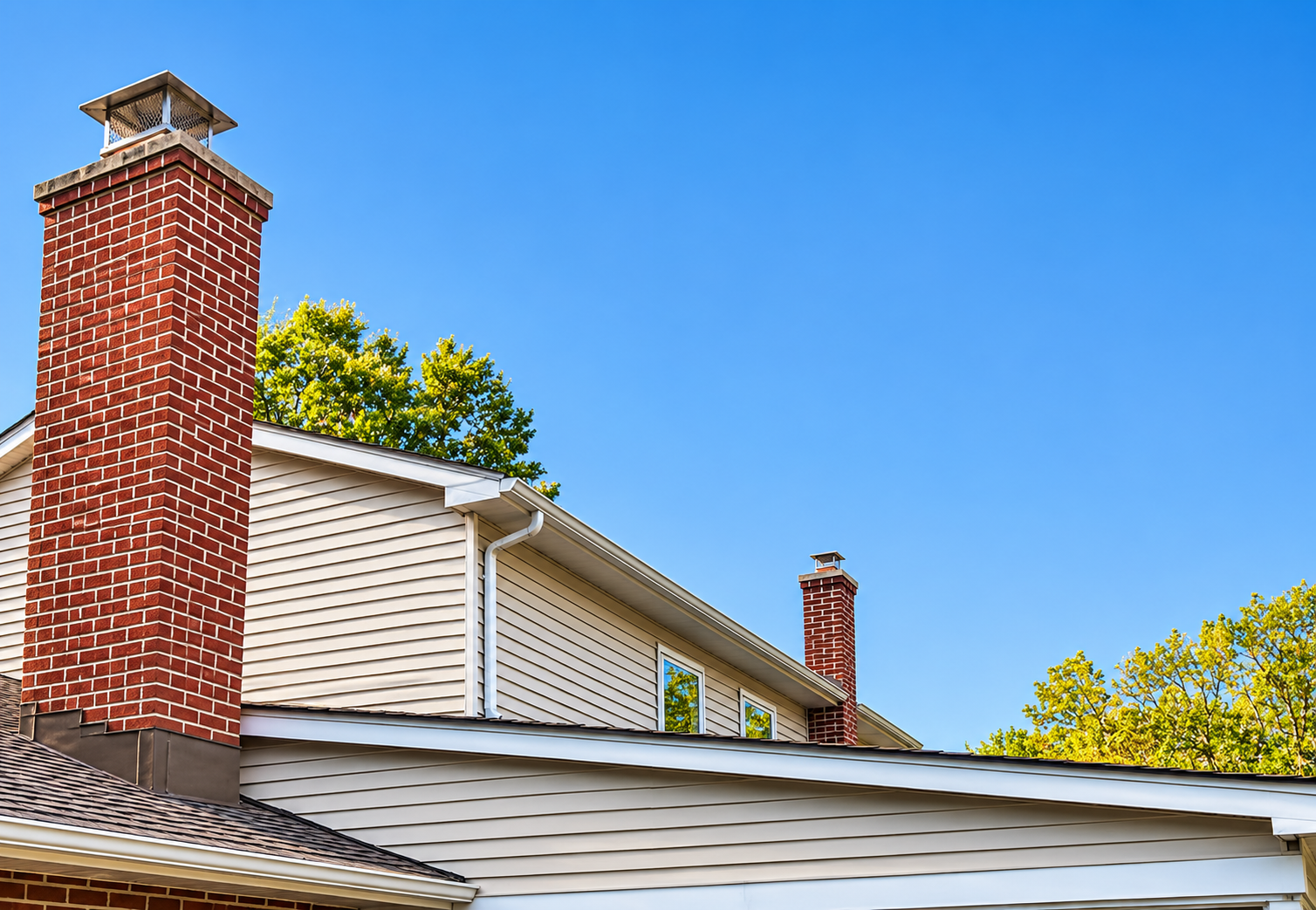
Waiting until the first freezing temperatures to address chimney problems can leave you dealing with leaks, masonry damage, or an unusable fireplace during the coldest part of the year.
Fall is a good time to schedule an inspection, identify needed repairs, and make sure your chimney is ready for the months ahead.
At Paddy’s, we provide chimney cleaning, repair, and installation services for homeowners in Newark, Middletown, and throughout New Castle County. Whether your chimney needs attention to its brickwork, flashing, crown, or other components, our goal is to help you understand the condition of the structure and the work needed to protect it.
If your chimney has not been inspected recently, or you’ve noticed signs of moisture or masonry deterioration, contact Paddy’s before winter arrives. A little attention now can help prevent a much bigger problem when temperatures drop.
