
Fall Exterior Painting in Delaware: Temperature Guidelines, Surface Prep & Weather Protection
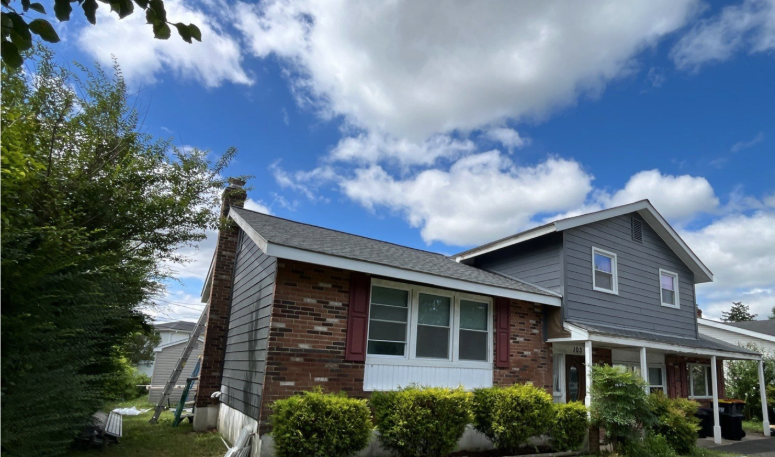
Fall can be one of the best times to tackle exterior painting in Newark and throughout New Castle County. The extreme heat and humidity of summer have passed, but winter’s freezing temperatures have not yet arrived. For homeowners who have been putting off an exterior painting project, October can provide a valuable window to get the work completed before colder weather settles in.
However, fall painting requires more attention to weather conditions than painting during the warmer months. Cooler nights, morning dew, rain, and rapidly changing temperatures can all affect how exterior paint dries and cures.
At Paddy’s, we pay close attention to the weather and the condition of the surfaces before beginning an exterior painting project. Here’s what Newark-area homeowners should know about painting their homes in the fall.
Is Fall a Good Time to Paint a House Exterior in Delaware?
Yes, provided the weather cooperates. Fall often offers comfortable daytime temperatures that are easier to work in than the heat of July or August. It can also be a good time to address peeling, faded, or weathered paint before winter exposes those surfaces to another season of moisture and temperature changes.
The important thing is not to assume that every warm October afternoon is automatically suitable for painting.
Exterior paint needs appropriate conditions not only while it is being applied but also while it is drying and curing. A day that reaches 65 or 70 degrees can still present problems if temperatures drop significantly overnight or dew settles on the freshly painted surface.
According to Sherwin-Williams, some modern exterior coatings can be applied at temperatures as low as 35°F, but product requirements vary. The manufacturer recommends following the specific product’s application instructions and paying attention to temperature and moisture conditions after application.
That’s one reason professional exterior painting involves more than simply checking the afternoon forecast.
What Temperature Is Too Cold for Exterior Paint?
There is no universal temperature that applies to every exterior paint product. Many traditional latex exterior paints call for temperatures of at least 50°F during application and curing. Some newer products are specifically formulated for application at lower temperatures, sometimes down to 35°F. That does not mean a homeowner should automatically paint whenever the thermometer reaches 35°F.
Fall temperatures can fluctuate dramatically between daytime and nighttime. Sherwin-Williams specifically cautions against painting when daytime temperatures are acceptable but nighttime temperatures fall below the product’s recommended range. Cooler temperatures can interfere with the formation of the paint film and contribute to adhesion and appearance problems.
For homeowners in Newark, this makes the forecast for the entire painting window important. We look at the expected daytime temperature, overnight low, humidity, rain forecast, and the condition of the surface before deciding whether conditions are suitable.
October Weather Can Create a Useful Painting Window
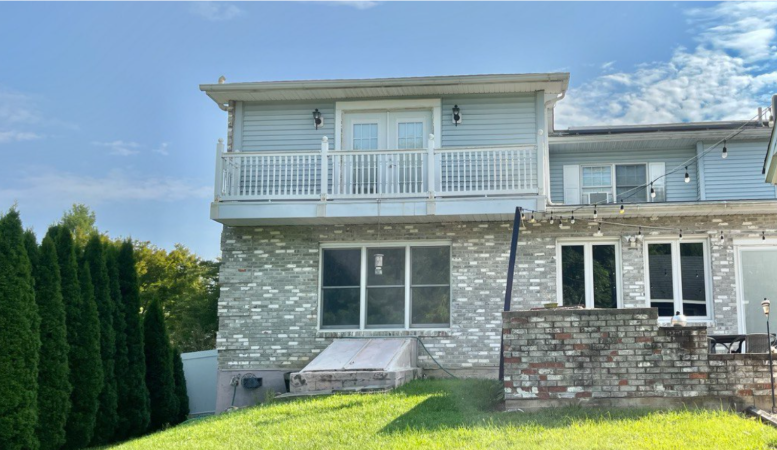
October is often appealing for exterior painting because Delaware’s summer heat has eased while daytime temperatures can still be comfortable.
As a general example, climate data for the region show that October temperatures can remain relatively mild early in the month before becoming progressively cooler later in the season. That gradual change is important because a painting project that is comfortable in early October may require significantly more weather planning toward the end of the month.
Rather than choosing an arbitrary calendar deadline, it makes more sense to evaluate the actual weather forecast and the manufacturer’s requirements for the paint being used.
If you’re hoping to complete exterior painting before winter, starting the conversation early in the fall gives your contractor more opportunities to identify a suitable stretch of weather.
Surface Preparation Is Just as Important as Temperature
Even perfect painting weather cannot compensate for poor surface preparation. Before applying new paint, the existing surface needs to be clean, dry, and sound. Loose paint, dirt, mildew, peeling coatings, and other contaminants can interfere with adhesion.
For wood siding, trim, and other exterior surfaces, preparation may include scraping loose paint, sanding rough areas, repairing damaged wood, replacing deteriorated sections, and priming exposed areas where appropriate.
This is particularly important on older homes in Newark, where an exterior may have several layers of previous paint and years of exposure behind it. In homes built before 1978, those older layers may contain lead, and the EPA requires paid contractors to follow lead-safe work practices when they disturb it. A professional painter should not simply pressure wash the house, wait a short time, and start painting. The surface needs enough time to dry, and any damaged areas need to be addressed before the new coating goes on.
Ready to Refresh Your Home’s Exterior?
Get a Professional Painting Estimate at No Cost
Moisture Matters in Newark’s Fall Climate
Temperature gets most of the attention when people talk about fall exterior painting, but moisture is just as important. Newark-area homes can have plenty of moisture exposure from rain, morning dew, shaded areas, and damp surfaces. Homes near wooded areas, streams, parks, and other naturally moist environments may have exterior surfaces that stay damp longer than exposed portions of the house.
Wood siding is especially important to monitor because it can absorb moisture. Painting damp wood can trap moisture beneath the new coating, potentially contributing to blistering, peeling, or premature failure. Even vinyl or composite siding can have moisture-related concerns around seams, trim, windows, doors, and other transitions.
The basic rule is simple: the surface needs to be dry before it is painted.
Watch the Forecast for Rain and Dew
A common mistake with fall painting is focusing only on whether it is raining at the moment. Fresh paint needs time to dry and cure. If rain arrives too soon, it can interfere with the coating and create an uneven finish or adhesion problems.
Dew presents a similar issue. As temperatures fall in the evening, moisture can settle onto exterior surfaces. If paint has not had sufficient time to form a stable film, that moisture can affect the finish.
This is one reason an experienced painting contractor in Newark, DE will pay attention to what happens after the day’s work is completed, not just the conditions at the beginning of the project.
What Does Good Fall Surface Prep Include?
The goal is not to make the preparation process unnecessarily complicated. It’s to make sure the new paint has a clean, stable surface to adhere to.
In some cases, preparation may also reveal problems that should be addressed before painting. Rotting trim, damaged siding, failed caulk, or moisture intrusion can become much more expensive to deal with if they are simply covered with a fresh coat of paint.
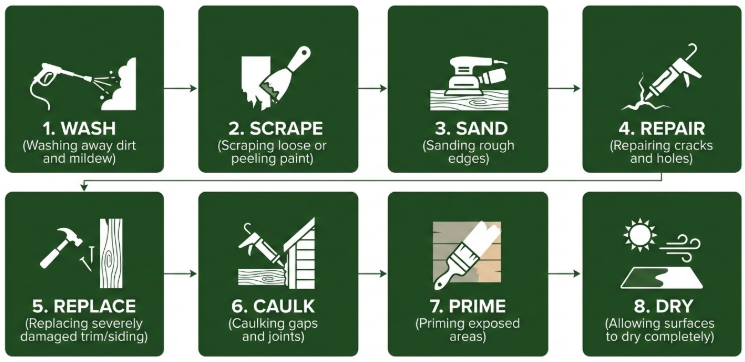
Depending on the condition and material of your home’s exterior, preparation may include:
- Washing away dirt, mildew, and other surface contamination
- Scraping loose or peeling paint
- Sanding rough edges and damaged areas
- Repairing cracks, holes, and deteriorated wood
- Replacing severely damaged siding or trim when necessary
- Caulking appropriate gaps and joints
- Priming exposed or repaired areas
- Allowing surfaces to dry completely before painting
Should You Paint Wood, Vinyl, or Other Siding in the Fall?
The answer depends on the material and the coating being used. Wood siding and trim can be excellent candidates for exterior painting when they’re properly prepared and sufficiently dry. However, damaged or deteriorated wood should be repaired first.
Some vinyl siding can also be painted when the manufacturer and paint system allow it. The choice of coating, surface condition, color, and application method all matter.
This is where working with a professional house painter can be helpful. Rather than treating every exterior surface the same way, we can evaluate the existing material and determine what preparation and coating system make sense for it.
Protecting Your Home During the Painting Process
A quality exterior painting project should also include protecting the areas around the work. Landscaping, walkways, windows, doors, outdoor furniture, decks, and other surfaces may need to be covered or protected during preparation and painting.
We also pay attention to the surrounding conditions. Wind can affect spray application, debris can settle onto wet paint, and damp conditions can change drying times. Weather protection is not simply about keeping paint off the things that should not be painted. It is about creating the right environment for the coating to perform as intended.
When Should Newark Homeowners Schedule Fall Exterior Painting?
If you’re considering exterior painting this fall, it’s better not to wait until the first cold weekend arrives. The earlier part of October can provide more flexibility, but suitable conditions can vary from year to year. A professional painting contractor can evaluate your home’s exterior, identify preparation needs, and watch the forecast for an appropriate painting window.
And if the weather has already become too cool for the particular coating you want to use, it may be better to postpone the project than rush the work under poor conditions.
At Paddy’s, we approach exterior painting with the goal of providing a durable, clean finish that is appropriate for the home and the conditions. We serve homeowners in Newark, Middletown, and throughout New Castle County, helping with exterior painting as well as related siding, trim, and exterior repairs.
If your home’s paint is peeling, faded, cracked, or simply showing the effects of years of Delaware weather, fall can be a good time to have the exterior evaluated. The right preparation, materials, and weather conditions can make a significant difference in how well your new paint performs through the seasons ahead.

ABOUT THE AUTHOR
Patrick F.
Patrick F. is the owner of Paddy’s Roofing, Siding, and Chimneys and a roofing professional with more than 30 years of industry experience. He has owned and operated Paddy’s since 2013. Paddy’s is a GAF Master Elite® residential contractor and a GAF GoldElite™ commercial contractor. Patrick brings extensive hands-on roofing knowledge and a commitment to honest, quality workmanship to every project.