
Gutter Protection & Downspout Drainage Solutions for Middletown Properties Before the Freeze

As temperatures begin to drop across Middletown and Townsend, homeowners have more to think about than winterizing their plumbing and checking their heating systems. Your gutters and downspouts also need attention before freezing weather arrives.
A properly functioning gutter system does much more than keep rainwater off your front porch. It collects runoff from your roof and directs it away from your home’s foundation, siding, landscaping, and walkways. When gutters are clogged, damaged, or draining in the wrong direction, water can collect around the house and create problems that become harder to manage once temperatures fall.
This is particularly worth considering for homeowners in the growing residential communities around Middletown and the more open, agricultural areas surrounding Townsend. Properties with relatively flat yards or limited natural drainage may need extra attention to where roof runoff goes after it leaves the downspouts.
At Paddy’s, we install and service gutter systems, including seamless gutters, to help homeowners manage rainwater and protect their exterior. Here’s what to check before winter arrives.
Why Gutter Maintenance Matters Before Winter
During a heavy rain, your roof collects a surprising amount of water. All of that runoff needs somewhere to go. Gutters collect it along the roofline, while downspouts carry it toward the ground and away from the house.
If the system is clogged or undersized, water may spill over the gutter edges, run down exterior walls, or collect near the foundation. Over time, repeated moisture exposure can contribute to foundation seepage, basement dampness, soil erosion, and deterioration of nearby exterior materials.
The U.S. Department of Energy’s Building Science Education resources explain that roof runoff can quickly saturate the soil surrounding a home if it is not directed away from the foundation. This can contribute to moisture entering basements and crawlspaces, as well as problems involving mold and building durability.
In winter, those drainage issues can become even more inconvenient. Water that collects near steps, driveways, and walkways can freeze, creating slippery conditions. Saturated soil can also freeze and thaw repeatedly, putting additional stress on landscaping and areas around the foundation.
The goal is to manage runoff before freezing temperatures arrive, not wait until water is already pooling around the house.
Keep Water Away From Your Foundation
Get a Professional Gutter Estimate at No Cost
Why Drainage Can Be Challenging Around Middletown and Townsend
Not every property drains the same way.
Some homes in Middletown’s newer residential developments have carefully planned grading and drainage systems. Other properties, particularly those in more rural or agricultural areas around Townsend, may have relatively level yards, low spots, or limited natural slopes to carry water away.
Flat terrain does not automatically mean a property has drainage problems. However, when the ground has little slope, water may move away from the house more slowly. A downspout that releases several gallons of water into one small area can quickly create a muddy or saturated spot.
Homeowners should pay attention to:
- Low areas where water remains after rainfall.
- Soil that stays muddy near the foundation.
- Downspouts that discharge directly beside the house.
- Water flowing toward a garage, basement entrance, or crawlspace.
- Erosion or washed-out landscaping beneath gutter outlets.
- Areas where water freezes on sidewalks, driveways, or steps.
If you notice these conditions, simply cleaning the gutters may not solve the entire problem. The downspout discharge point and the slope of the surrounding yard may need attention as well.
Seamless Gutters: A Practical Upgrade for Middletown Homes
If your existing gutters are leaking, sagging, or repeatedly coming apart at the joints, it may be worth considering a new seamless gutter system. Traditional sectional gutters are assembled from shorter pieces connected with seams. Those joints are potential locations for leaks, particularly as the system ages, fasteners loosen, and sealants deteriorate.
Seamless gutters are made to fit the dimensions of the home, with long continuous sections and fewer joints along the straight runs. This reduces the number of potential leak points and creates a cleaner appearance along the roofline.
Other advantages include:
Fewer joints to maintain: Because there are fewer connections along the gutter runs, there are fewer places where leaks commonly develop.
Custom fit: Seamless gutters are measured and fabricated to suit the home’s roofline rather than assembled from standard short sections.
Improved appearance: A continuous gutter system can provide a more finished look, particularly when the color is selected to complement the siding, trim, and roof.
Reliable water collection: When properly sized and installed with the correct slope, seamless gutters help collect roof runoff and move it toward the downspouts.
Seamless gutters are not maintenance-free, however. Leaves, roofing debris, and other material can still accumulate inside them. They also need proper hangers, slope, outlets, and downspout connections to perform correctly.
For homeowners replacing older gutters, the installation details matter just as much as the product itself.
Downspout Placement Is Just as Important as the Gutters
One of the most common drainage mistakes we see is a gutter system that collects water properly but releases it too close to the house.
A downspout that ends right beside the foundation may simply concentrate all the roof runoff in one location. During heavy rain, that area can become saturated, particularly if the yard is relatively flat or the soil drains slowly.
Downspout extensions are a straightforward way to move water farther away from the home. Depending on the property, options may include:
- Downspout extensions: Attached to the bottom of an existing downspout to carry water farther into the yard.
- Splash blocks: Placed beneath the outlet to spread and redirect water, helping reduce soil erosion.
- Underground drainage piping: Carries water away from the home to an appropriate discharge location.
- Swales or graded drainage areas: Use the shape of the landscape to guide water toward a suitable area.
The U.S. Department of Energy’s Building America guidance commonly recommends directing downspout discharge at least five feet away from the foundation when using surface drainage, with appropriate alternatives for underground collection systems. Actual placement should account for the property’s grading, soil conditions, local requirements, and neighboring properties.
It is also important not to direct water toward a neighbor’s property, a public sidewalk, or another location where it could create a drainage or icing problem.
For Middletown and Townsend homeowners, the best solution depends on how the property is laid out. A simple extension may be sufficient for one home, while another may need a more carefully planned drainage route.
Gutter Guards: Are They Worth Installing?
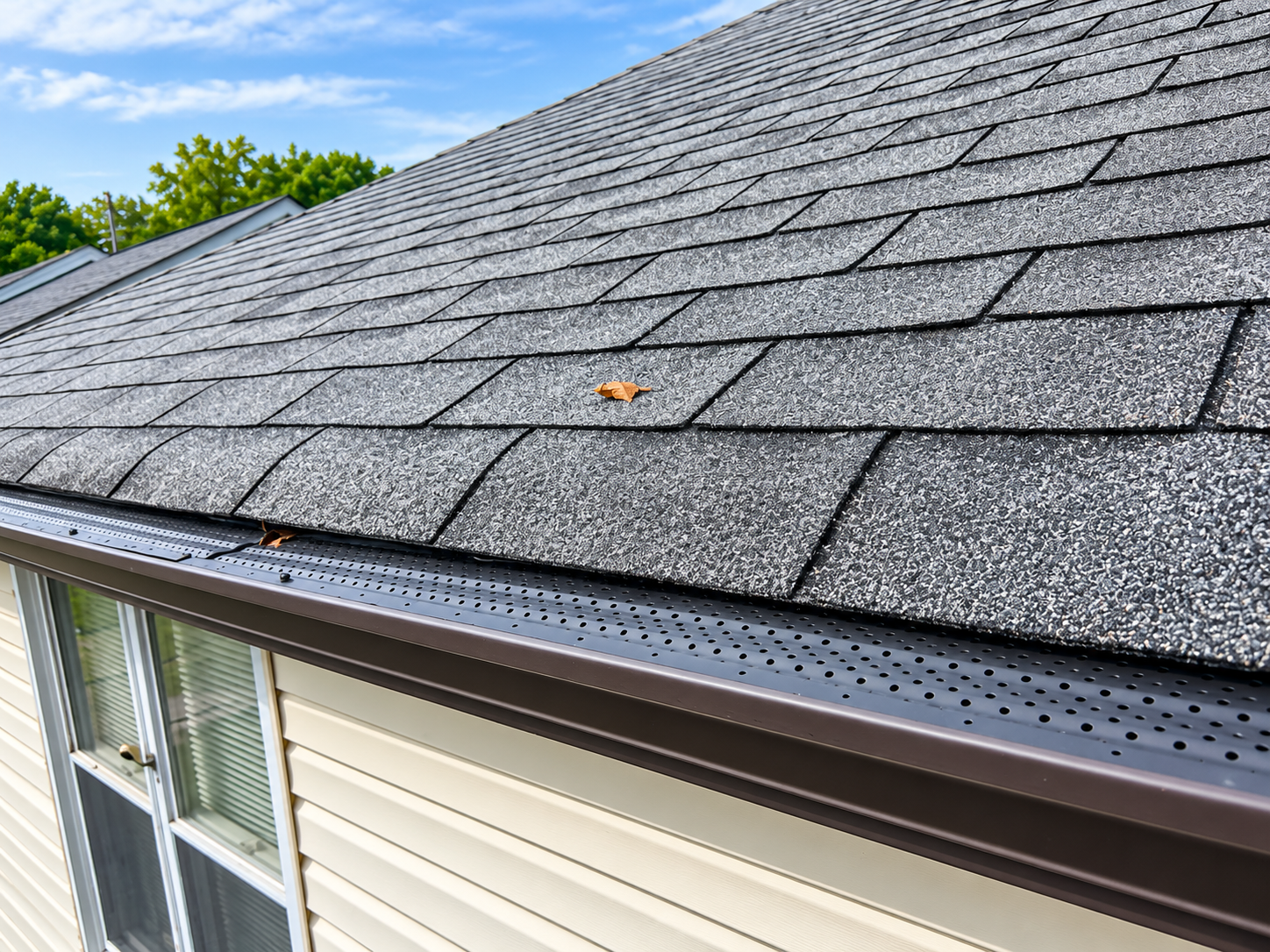
Gutter guards can help reduce the amount of leaves, twigs, and larger debris entering your gutters. They are particularly useful for homes surrounded by mature trees or properties where gutters fill up repeatedly during the fall.
There are several types available, including mesh screens, perforated covers, and other systems designed to filter debris while allowing water to enter.
However, no gutter guard eliminates maintenance completely. Fine debris, shingle granules, seeds, and other material can still accumulate on top of or inside some systems. Guards also need to be compatible with the gutter design and roofline.
Before investing in gutter protection, consider the amount and type of debris your property receives. A home surrounded by trees may benefit more than a property with very little overhead vegetation.
If you are installing new seamless gutters, it can be a convenient time to discuss whether adding gutter protection makes sense.
What Should You Check Before the First Freeze?
A fall gutter inspection does not have to be complicated. There are several things homeowners can look for from the ground without climbing onto the roof.
Check for visible sagging. Gutters should follow a consistent line along the roof edge. Sections that pull away from the fascia or appear uneven may have loose or damaged hangers.
Look for signs of leaking. Water stains on siding, discoloration beneath gutter joints, or washed-out soil may indicate that water is escaping before it reaches the downspouts.
Make sure downspouts are clear. A blockage can cause water to back up in the gutter and overflow during rainfall.
Watch what happens during rain. If water spills over the edges or collects near the foundation, the system may need cleaning, repair, or a drainage adjustment.
Check the discharge areas. Make sure downspouts direct water toward an appropriate location rather than allowing it to pool beside the home.
Look for ice-prone areas. If water regularly runs across steps, walkways, or driveways, address the drainage route before freezing weather creates a safety concern.
Cleaning gutters before winter is also important. Leaves and other debris can hold moisture, restrict water flow, and contribute to blockages when temperatures fall.
Don’t Ignore the Rest of Your Exterior
Gutters are only one part of your home’s overall water-management system.
Roofing, flashing, siding, soffit, fascia, and ground drainage all work together to protect the structure. For example, damaged fascia can make it difficult to secure gutters properly, while roof runoff that is not collected and redirected can contribute to moisture exposure around siding and exterior trim.
If you are already having gutter work completed, it makes sense to look at these connected areas as well. A professional evaluation can identify issues that may otherwise go unnoticed until they cause more extensive damage.
Get Your Gutters Ready Before Winter Arrives
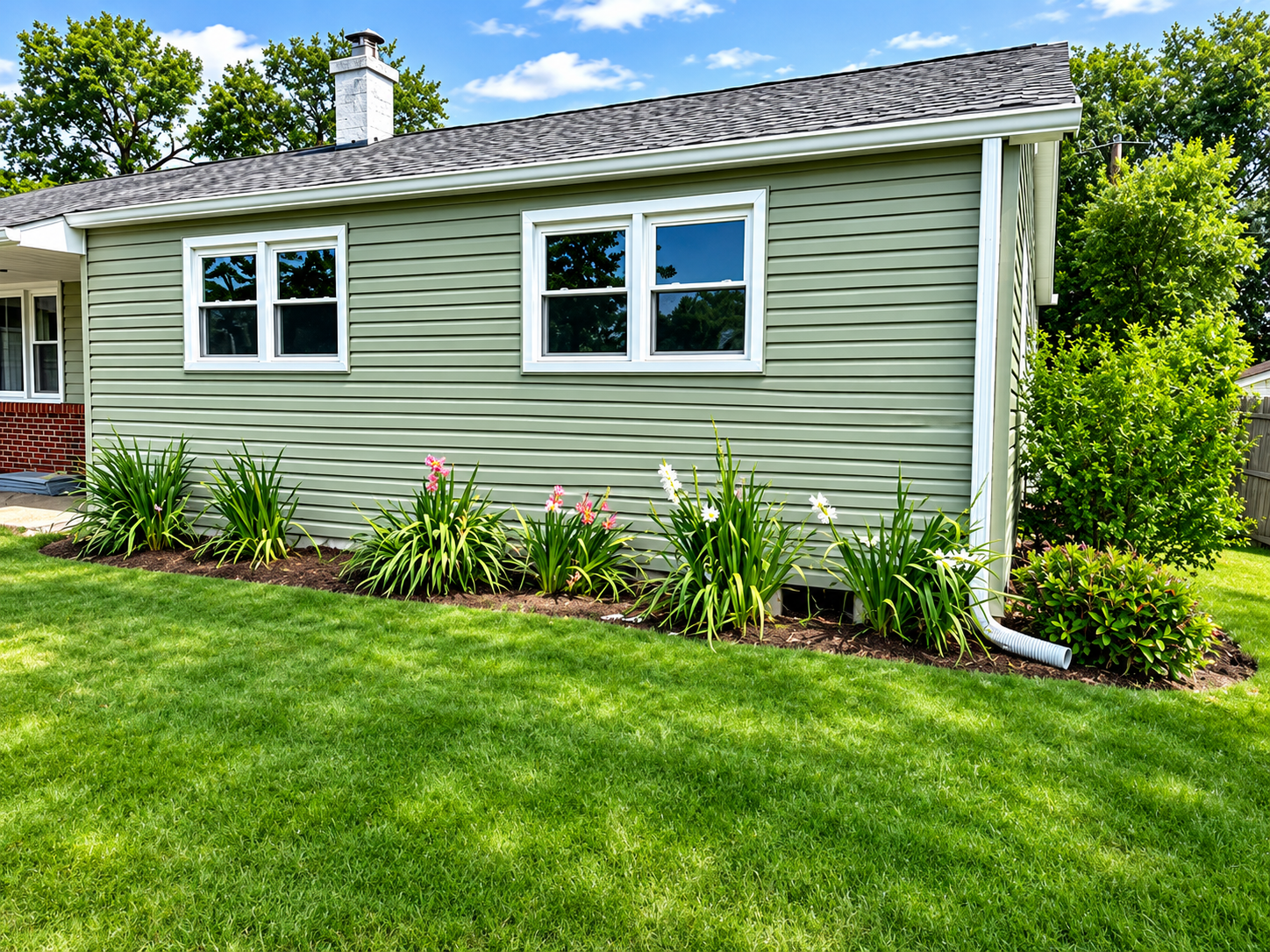
Whether you live in a newer Middletown development or on a larger property near Townsend, your gutter system needs to handle more than an occasional light rain. It should collect roof runoff, carry it through clear downspouts, and release it somewhere that will not create problems around your home.
At Paddy’s, we provide professional gutter installation and related exterior services for homeowners throughout Middletown, Newark, and New Castle County. If your existing gutters are leaking, pulling away from the roofline, or failing to direct water away from your foundation, we can help you evaluate your options, including a new seamless gutter system.
Don’t wait until standing water freezes beside your home to discover that your drainage system needs attention. A little preparation before winter can help protect your foundation, landscaping, and exterior through the colder months.
