
The Ultimate Rainy Season Checklist for New Castle County Homeowners

Delaware weather has a personality of its own. As lifelong residents and local exterior contractors with offices in both Newark and Middletown, the team at Paddy’s knows firsthand how unpredictable our regional climate can be. We don’t just get standard summer showers; New Castle County homeowners frequently face intense autumn Nor’easters, heavy spring downpours, and torrential tropical remnants pushing up the East Coast.
When inches of rain fall over just a few short hours, local waterways like the Brandywine, Christina, and Red Clay creeks quickly rise. Even if your home isn’t directly on the water, the intense runoff and high winds from these storms can take a massive toll on your property’s exterior.
Preparing your home ahead of time isn’t just about avoiding a headache, it’s about protecting your largest financial investment. Water damage is progressive; a tiny, ignored leak today can easily spiral into thousands of dollars of structural repairs, rotted wood, and mold remediation by next month.
To help you stay ahead of the weather, our friendly team has compiled the ultimate rainy season preparation checklist. These actionable, straightforward steps ensure your home remains safe, dry, and comfortable through any coastal storm New Castle County throws our way.
1. The Roof: Your Property’s First Line of Defense
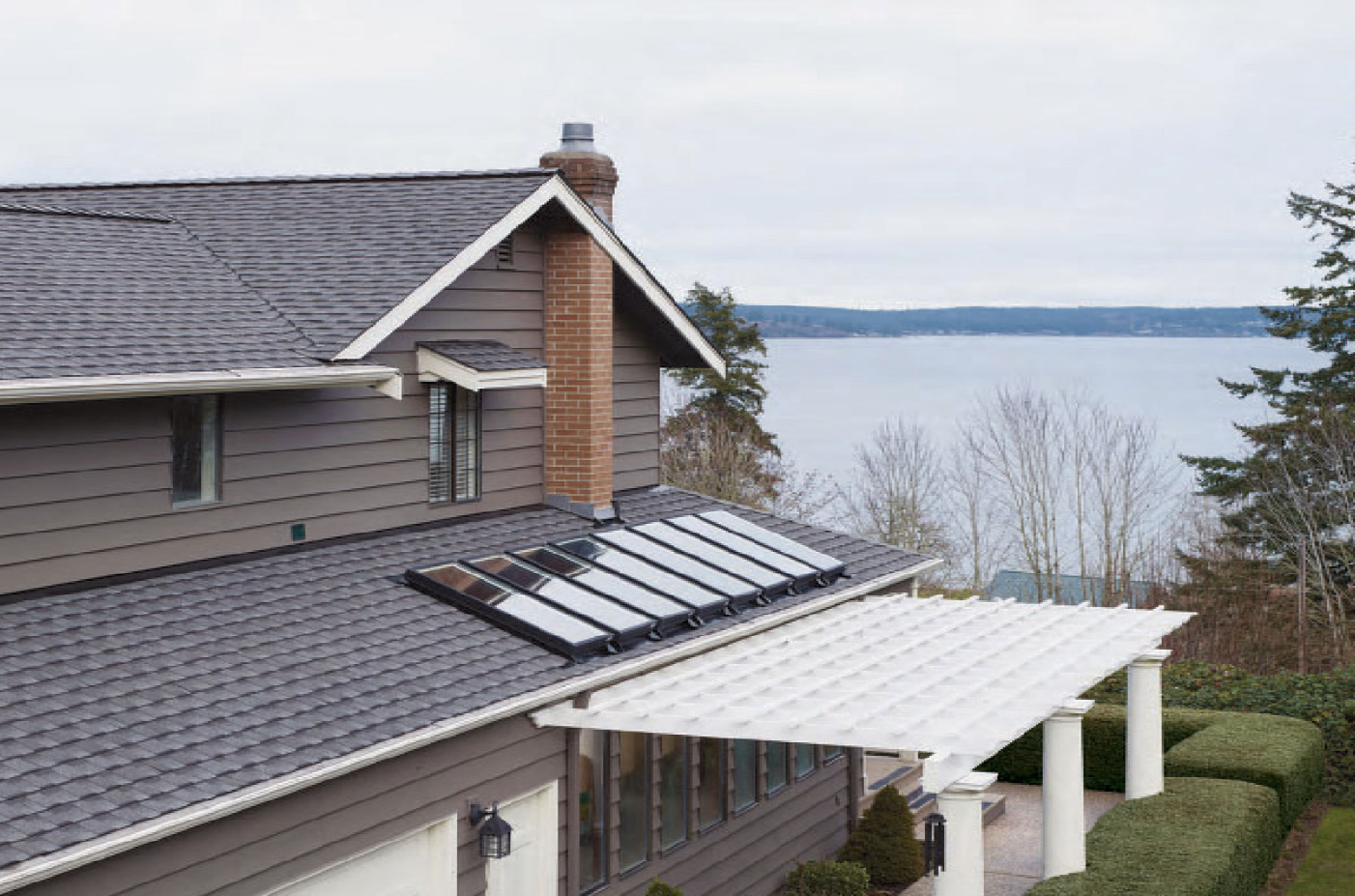
Your roof takes the absolute brunt of Delaware’s storm seasonal weather. High winds can compromise your roofing system long before the rain ever starts, opening up easy pathways for water to invade your living spaces.
Inspect the Shingles
Start with a visual inspection from the safety of the ground (you can use binoculars if needed), or look out from upper-story windows where applicable. Look closely for shingles that are curled, cracked, buckled, or entirely missing. High winds from coastal storms can easily snag a loose shingle and peel it away, exposing the underlayment beneath.
Check the Flashing and Chimney
Flashing consists of the thin metal strips installed around roof transitions, such as your chimney, vents, and valleys. This is statistically where the vast majority of roof leaks begin. If the flashing is warped or the sealant around your chimney has cracked and degraded, water will find its way into your attic. Additionally, older masonry chimneys can absorb water during prolonged downpours, leading to interior leaks and structural crumbling if they lack a proper cap or updated masonry sealing.
Watch for Sagging and Internal Warning Signs
Take a quick trip up to your attic with a flashlight during a heavy downpour. Look for damp rafters, water stains on the plywood ceiling, or active dripping. On the outside, if you notice any visible dipping or sagging along the ridge or slopes of your roof, it indicates existing water damage and weakened structural integrity that requires immediate, professional attention.
Ready for a Roofing Upgrade?
Get a Professional Roof Estimate at No Cost
2. Gutters, Soffit, and Fascia: The Water Management Team

Managing heavy rainfall is all about controlled water diversion. If your gutters, soffit, or fascia are clogged or broken, thousands of gallons of water cascading off your roof will have nowhere to go except directly into your walls or foundation.
Clean and Clear the Gutters
New Castle County is known for its beautiful, mature trees. While they provide excellent shade in Newark and Middletown, they also drop an immense amount of leaves, twigs, seeds, and pine needles directly into your gutters. Clogged gutters act like dams. When rain fills a clogged gutter, the water overflows backward, rotting the wood behind it and seeping under your lower shingles. Clean your gutter system thoroughly at least twice a year, especially right before the peak rainy season.
Check the Pitch and Secure Downspouts
Gutters cannot do their job if they aren’t pitched correctly. They must slope gently downward toward the downspouts. If you see water pooling in the middle of a gutter run after a light rain, the pitch needs adjustment. Furthermore, check where your downspouts discharge. Water must pour out at least 3 to 5 feet away from your home’s foundation. Use downspout extensions to direct water toward natural drainage areas rather than letting it pool against your basement walls.
Inspect the Soffit and Fascia
The fascia is the long architectural board running along the edge of your roof where your gutters attach, while the soffit is the panel underneath the roof overhang. These components protect your rafters from moisture and allow your attic to breathe. If your gutters overflow, the fascia boards quickly rot out, causing the heavy gutters to sag or completely pull away from your house. Ensure these components are solid, securely attached, and free of holes or water soft spots.
3. Siding and Trim: Keeping the Envelope Sealed
While your roof stops water from falling through, your siding stops driving rain from pushing in sideways. Wind-driven rain during a Nor’easter can force moisture through incredibly small gaps in your home’s exterior envelope.
Look for Warped, Cracked, or Loose Panels
Walk the entire perimeter of your home and inspect your siding. Look for vinyl panels that have cracked, unbuckled, or pulled loose from the track. If you have wood or fiber cement siding, look for peeling paint, soft spots, or gaps between the boards. Loose or damaged siding allows water to get trapped directly against your home’s wood framing, creating a hidden breeding ground for rot and mold.
Inspect Window and Door Trim
The seams where your siding meets windows, doors, and corner boards are prime targets for water intrusion. Check the caulking around these areas. If the old sealant is dried out, peeling, or missing, it needs to be scraped clean and replaced with high-quality exterior grade caulk before the heavy rains arrive.
4. Don’t Overlook Exterior Paint and Protection
Many homeowners view exterior painting purely as an aesthetic choice to boost curb appeal. In reality, a fresh coat of high-quality exterior paint acts as a highly functional, protective waterproof seal for your home’s trim, siding, and wood features.
The Danger of Peeling Paint
When paint cracks, flakes, or peels, it exposes the underlying raw wood to the elements. Wood is highly porous; it acts like a sponge when exposed to prolonged rain. Once moisture penetrates the wood fibers, it expands, causing the wood to warp, split, and decay.
Seal the Trim Before It’s Too Late
Pay close attention to wood trim around garage doors, rooflines, and windows. Keeping these areas properly prepped, primed, and painted ensures that water rolls right off the surface instead of sinking into the wood and causing structural rot that requires expensive replacement.
Conclusion: Partner with Your Local Experts at Paddy’s
Proactive maintenance is always cheaper, safer, and much less stressful than dealing with an emergency middle-of-the-night roof failure or an overflowing gutter system. Don’t wait until you see severe storm warnings lighting up the DelDOT electronic highway signs to start thinking about your property’s exterior health.
Taking the time to check your roof, clear out your gutters, and secure your siding right now will give you complete peace of mind when the next big system rolls through Northern Delaware.
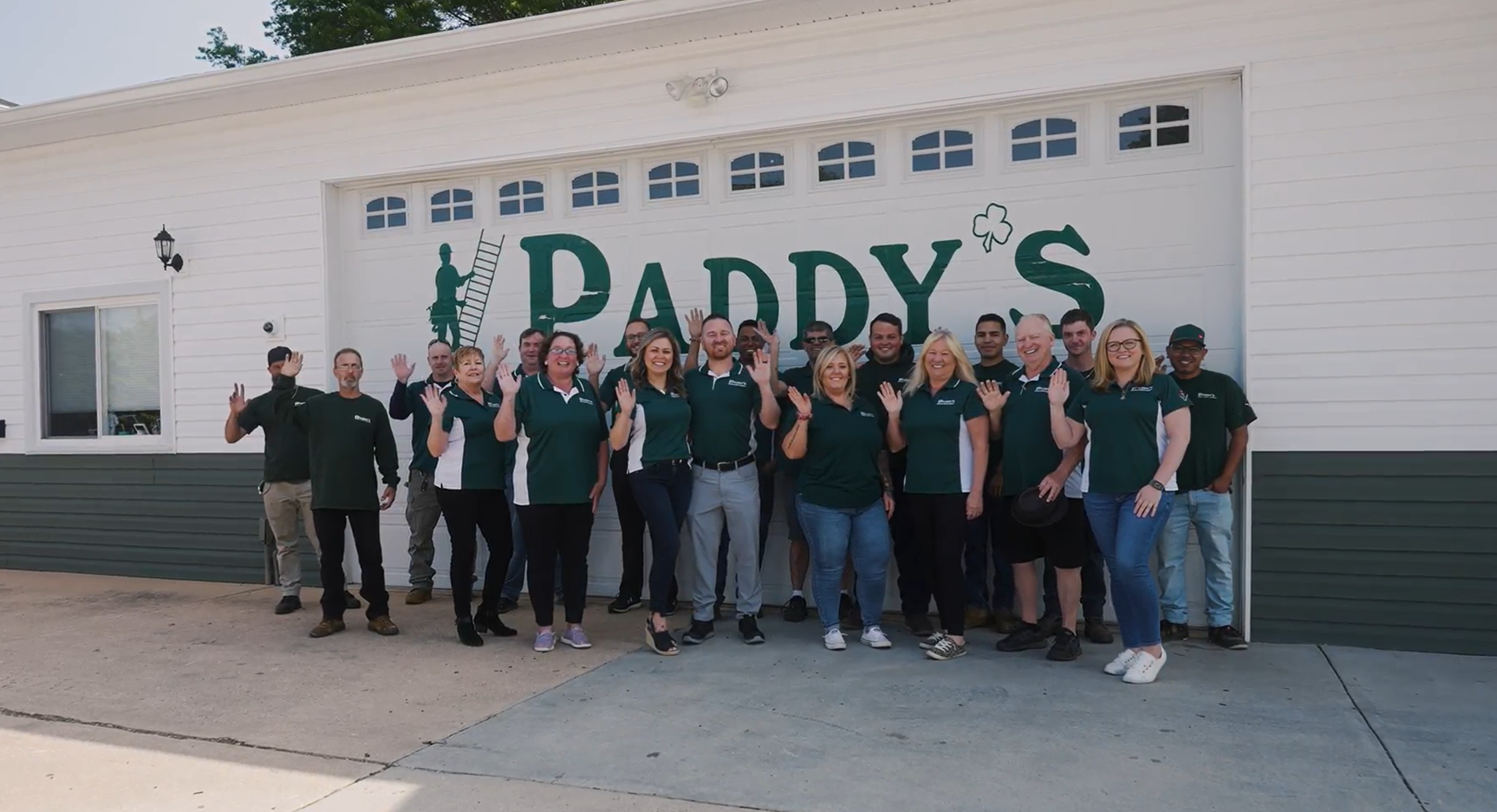
As a local, family-owned company with over 20 years of experience and more than 32,000 successful local partnerships, the team at Paddy’s is always here to help our neighbors. Whether you need a comprehensive roof replacement, a quick chimney repair, updated seamless gutters, or a fresh exterior paint job to seal your trim, our highly skilled professionals treat your home like our very own.
Ready to get your home completely storm-ready? Contact Paddy’s today at 302-388-3625 to request your free estimate, or stop by our local showrooms in Newark or Middletown to chat with our friendly team in person!

Patrick F.
Patrick F. is the owner of Paddy’s Roofing, Siding, and Chimneys and a roofing professional with more than 30 years of industry experience. He has owned and operated Paddy’s since 2013 and has been a GAF Master Elite® contractor for several years. Patrick brings extensive hands-on roofing knowledge and a commitment to honest, quality workmanship to every project.
More About Patrick F.