
Why Annual Chimney Inspections Matter for Newark, DE Homeowners
When homeowners think about home maintenance, the roof, siding, gutters, and even the HVAC system get most of the attention. The chimney, on the other hand, is often overlooked. After all, if the fireplace seems to be working, why worry about it? Riiiight?
At Paddy’s, we’ve spent years helping homeowners throughout Newark, Delaware, and the surrounding New Castle County area maintain safe and functional chimneys. We know first hand that many serious chimney problems start off as small issues that could have been caught early with a routine inspection.
Annual chimney inspections are one of the simplest and most affordable ways to protect your home, your family, and your investment. Whether you use your fireplace every week during the winter or only a few times per year, regular chimney inspections can help identify hidden problems before they become expensive repairs.
Why Chimneys Require Regular Attention
Your chimney is exposed to the elements every day of the year. Rain, snow, ice, wind, humidity, and fluctuating temperatures all take a toll on the materials that make up your chimney system.
In Newark, we experience hot, humid summers and cold winters with freeze-thaw cycles that can be especially hard on your roof. Over time, moisture can work its way into bricks and mortar joints, leading to deterioration that may not be visible from the ground.
At the same time, every fire you burn leaves behind residue inside the flue. Without proper chimney maintenance, that buildup can create safety hazards and reduce the performance of your fireplace.
An annual chimney inspection allows a professional to evaluate the entire system and identify potential concerns before they become major issues.
What is Creosote? And is it a Fire Hazard?
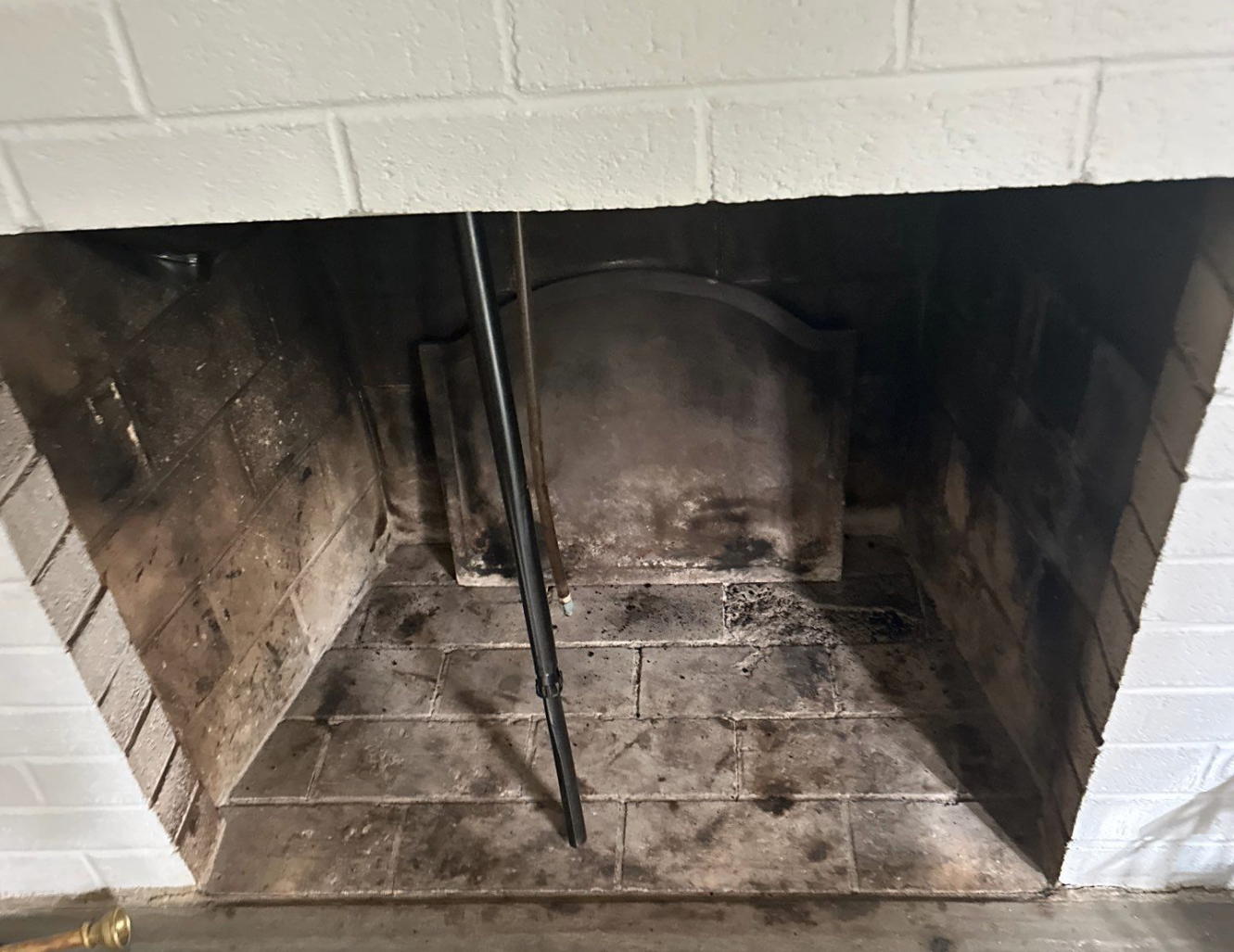
Creosote is a highly flammable substance that forms when wood burns. As smoke travels up the chimney, small particles condense and stick to the inside walls of the flue. Over time, these deposits accumulate and can become thick enough to create a fire hazard.
Many homeowners are surprised to learn that chimney fires can occur even when a fireplace appears to be functioning normally. A significant creosote buildup can ignite and create extremely high temperatures inside the chimney. One of the most important reasons to schedule regular chimney inspections is creosote.
During an annual chimney inspection, a professional can assess the amount of creosote present and determine whether chimney cleaning is needed. Catching excessive buildup early helps reduce the risk of chimney fires and keeps your fireplace operating safely.
Chimney Leaks Can Cause Expensive Damage
Water is one of the biggest threats to any chimney system. A small leak may not seem like a major concern at first, but over time, moisture can damage bricks, mortar, drywall, insulation, framing, and even roofing materials. By the time water stains appear inside your home, the damage may already be extensive.
Common signs of chimney leaks include:
- Water stains on ceilings or walls near the fireplace
- Musty odors around the chimney
- Damp masonry
- Peeling paint near the fireplace
- Visible deterioration around the chimney exterior
The Importance of Chimney Flashing
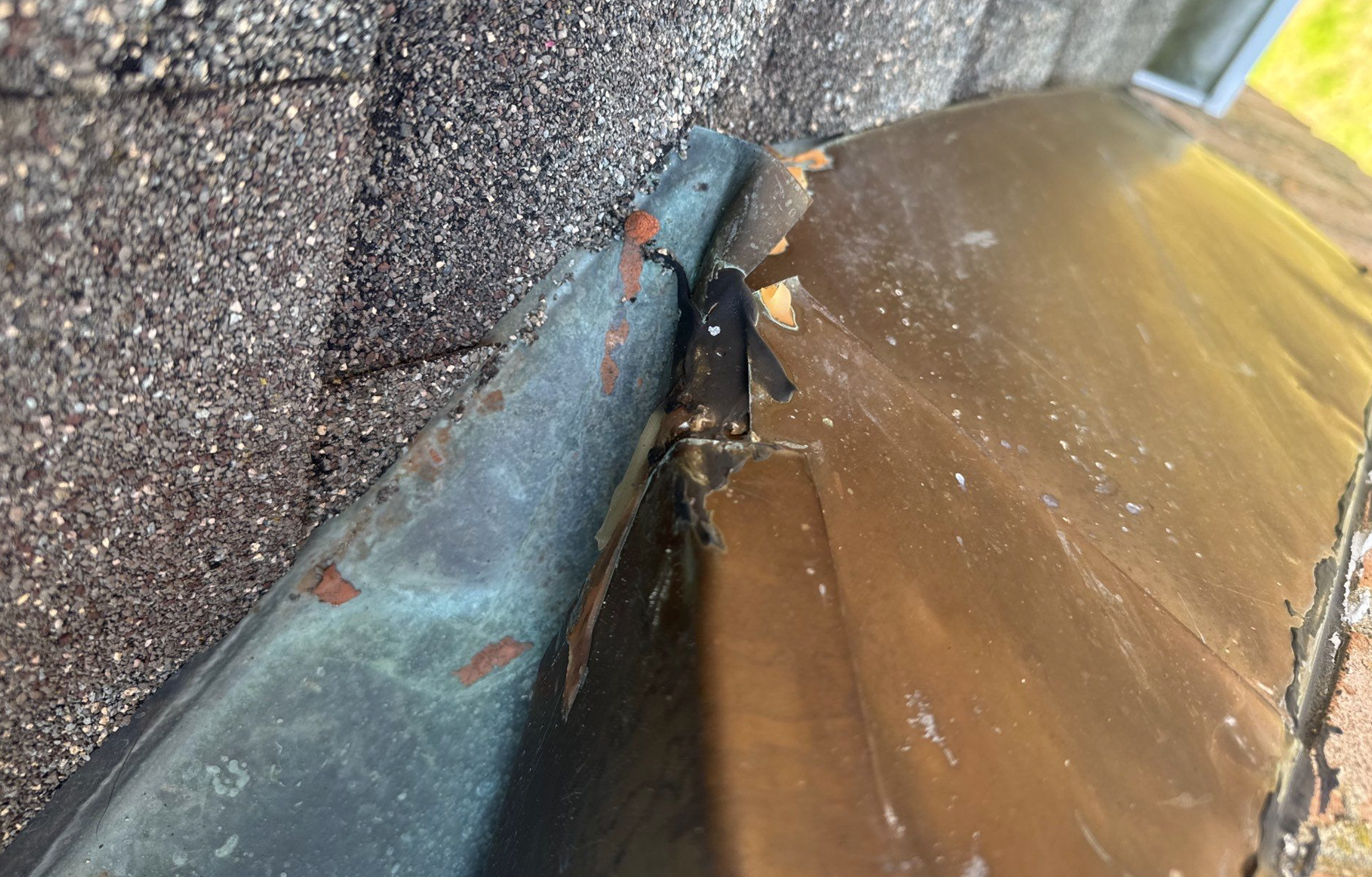
One of the most common causes of chimney leaks is damaged or deteriorating flashing. Flashing is the metal material installed where the chimney meets the roof. Its job is to create a waterproof seal and prevent water from entering the home.
Because flashing is constantly exposed to weather and temperature changes, it can loosen, rust, crack, or separate over time. When this happens, water can find its way beneath roofing materials and into the structure of your home.
At Paddy’s, we frequently find flashing issues during chimney inspections that homeowners had no idea existed. Fortunately, catching these problems early often allows for straightforward repairs that prevent much larger issues down the road.
Masonry Damage Often Starts Small
Many chimneys in Newark and throughout New Castle County are constructed with brick and mortar. These materials are durable, but they aren’t immune to wear and tear.
Freeze-thaw cycles can be especially damaging. When moisture enters small cracks in the masonry and freezes, it expands. Over time, this repeated expansion and contraction can cause bricks to crack, mortar joints to deteriorate, and sections of the chimney to weaken.
Common signs of masonry damage include:
- Cracked bricks
- Missing mortar joints
- Loose masonry
- Leaning chimney structures
- White staining known as efflorescence
- Spalling bricks, where the face of the brick begins to flake or break away
Ready for a Roofing Upgrade?
Get a Professional Roof Estimate at No Cost
Chimney Inspections Help Extend the Life of Your System
Just like routine maintenance helps extend the life of your roof or HVAC system, regular chimney inspections can help maximize the lifespan of your chimney. When minor problems are identified and addressed promptly, homeowners can often avoid major structural repairs and costly emergency situations.
Think of an annual chimney inspection as preventative maintenance. The goal isn’t just to find problems. It’s to preserve the overall health of your chimney system and help it perform safely and efficiently for years to come.
What Happens During a Chimney Inspection?
Many homeowners aren’t sure what to expect during a professional chimney inspection. The goal is to provide homeowners with a complete understanding of the condition of their chimney and any recommendations for maintenance or repairs.
A thorough inspection typically includes:
- Examination of the chimney exterior
- Inspection of brickwork and mortar joints
- Evaluation of flashing and roof connections
- Assessment of the chimney cap and crown
- Inspection of the flue liner
- Identification of soot or creosote buildup
- Evaluation of overall structural integrity
- Review of potential water intrusion issues
When Should Newark Homeowners Schedule an Inspection?
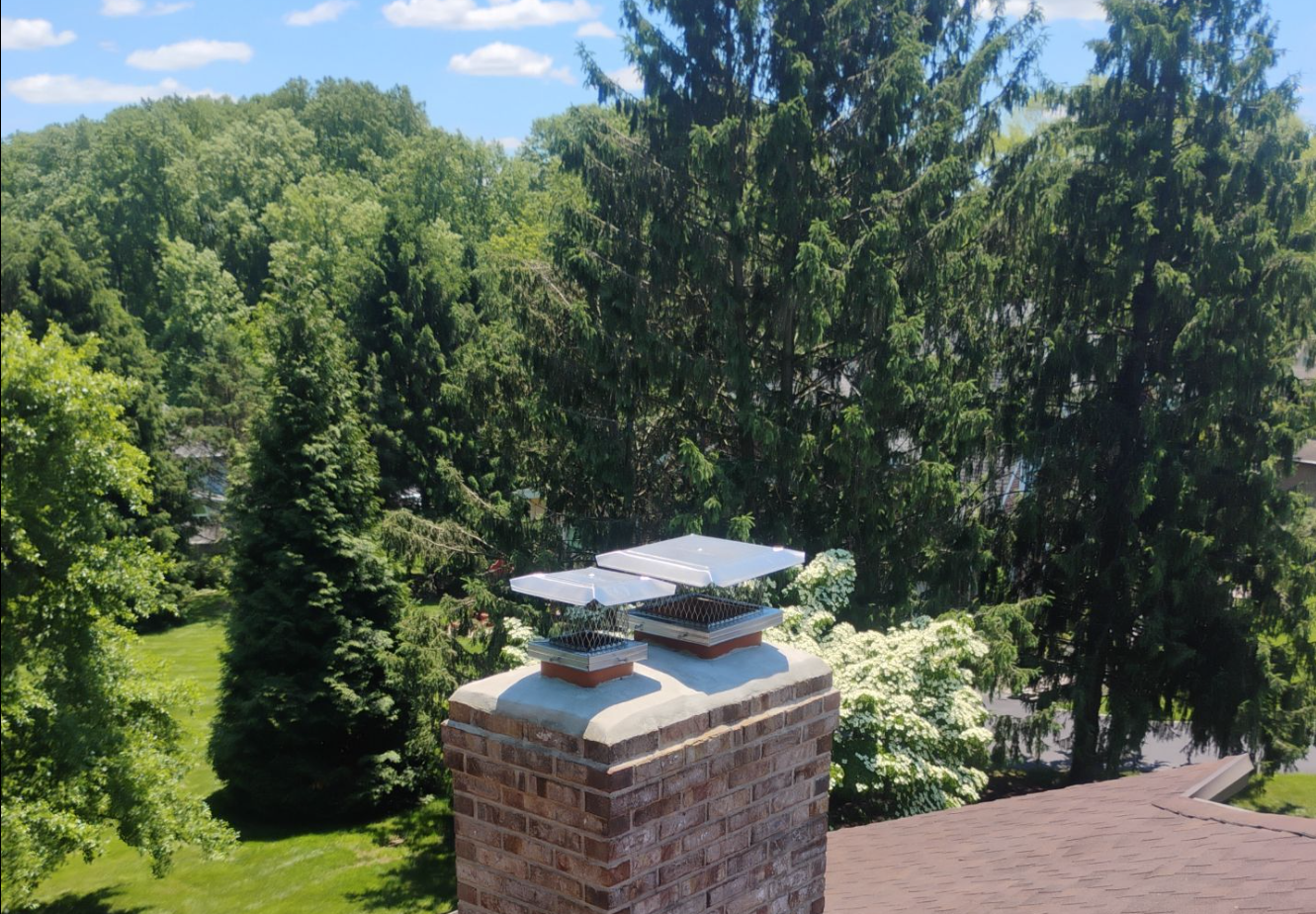
For most homeowners, an annual chimney inspection is recommended regardless of how often the fireplace is used. Many people choose to schedule inspections in late summer or early fall before fireplace season begins. This allows time for any necessary chimney repairs or maintenance before colder weather arrives. However, it’s never a bad time to have your chimney evaluated, especially if you’ve noticed signs of leaks, masonry deterioration, or performance issues.
Trust Paddy’s to Help Protect Your Home
At Paddy’s Roofing, Siding, Chimneys & More, we’re proud to help homeowners throughout Newark and the surrounding Delaware communities keep their homes safe and well-maintained with our trusted chimney services.
We understand that your home is one of your most important investments, and we treat every property with the care and attention it deserves. Whether you need a routine chimney inspection, chimney maintenance, chimney cleaning, flashing repair, or masonry restoration, our experienced team is here to help.
Annual chimney inspections may not be the most exciting item on your home maintenance checklist, but they can make a tremendous difference when it comes to safety, performance, and long-term savings.
If it’s been more than a year since your last chimney inspection, now is a great time to schedule one. A small investment today could help prevent major repairs tomorrow and give you peace of mind knowing your chimney is ready for whatever the Delaware seasons bring.

Patrick F.
Patrick F. is the owner of Paddy’s Roofing, Siding, and Chimneys and a roofing professional with more than 30 years of industry experience. He has owned and operated Paddy’s since 2013 and has been a GAF Master Elite® contractor for several years. Patrick brings extensive hands-on roofing knowledge and a commitment to honest, quality workmanship to every project.
More About Patrick F.